What to Expect During a Professional Perth Roof Inspection
Your roof does a lot of work in Perth. It copes with long, hot summers, intense UV radiation, salt-laden coastal air (especially in Fremantle and the surrounding suburbs), and heavy winter storms that roll in off the Indian Ocean. Knowing what happens during a professional roof inspection helps you prepare, ask the right questions, and make better decisions about maintenance and repairs. This guide explains the process from the first phone call to the final report.
Why Roof Inspections Matter in Perth
Perth's climate is tough on roofing materials. Terracotta and concrete tiles can crack or shift, Colorbond and other metal roofing can corrode near the coast, and sealants and flashings degrade under constant sun exposure. Fremantle's older housing stock, including heritage cottages and character homes, often has ageing roofs with unique maintenance needs.
A regular inspection catches small problems before they turn into expensive leaks, ceiling damage, or structural issues. Many roofing professionals recommend an inspection at least once every one to two years, plus after any major storm or hail event.
Before the Inspection: Booking and Preparation
When you book, the inspector will usually ask a few basic questions about your property. Having this information ready speeds things up:
- The approximate age of your roof and home
- The roofing material (terracotta tile, concrete tile, Colorbond, zincalume, or asbestos cement in some older homes)
- Any known leaks, stains, or past repairs
- Whether you are buying, selling, claiming insurance, or simply doing routine maintenance
It also helps to make sure the inspector can access your property, including side gates, ladders points, and the ceiling cavity hatch. Securing pets and moving vehicles away from the house is a good idea too.
What Happens on the Day
1. Initial Walk-Around and Visual Assessment
The inspector typically starts at ground level, looking at the overall condition of the roof from several angles. They check for visible sagging, uneven rooflines, missing or displaced tiles, rust streaks, and debris build-up. They will also look at gutters, downpipes, fascia boards, and eaves, since these are closely connected to roof performance.

2. Detailed Roof Surface Inspection
Next, the inspector will usually access the roof itself, provided it is safe to do so. In Western Australia, work-at-heights safety requirements are taken seriously, so reputable inspectors use appropriate harnesses, ladders, and fall protection. Some also use drones for steep, fragile, or hard-to-reach roofs, which reduces risk and provides clear photographic evidence.
On the roof surface, they typically assess:
- Tiles: cracks, chips, slipped tiles, and loose or deteriorating bedding and pointing on ridge caps
- Metal sheeting: corrosion, loose or missing fasteners, dents, and damaged coatings
- Flashings: the metal strips around chimneys, skylights, vents, and wall junctions, which are a common source of leaks
- Valleys and penetrations: areas where water concentrates and where roofs are most vulnerable
- Moss, lichen, and algae: growth that can trap moisture and degrade materials
- Solar panels and fixtures: mounting points, sealing, and any roof damage around installations
3. Gutters and Drainage Check
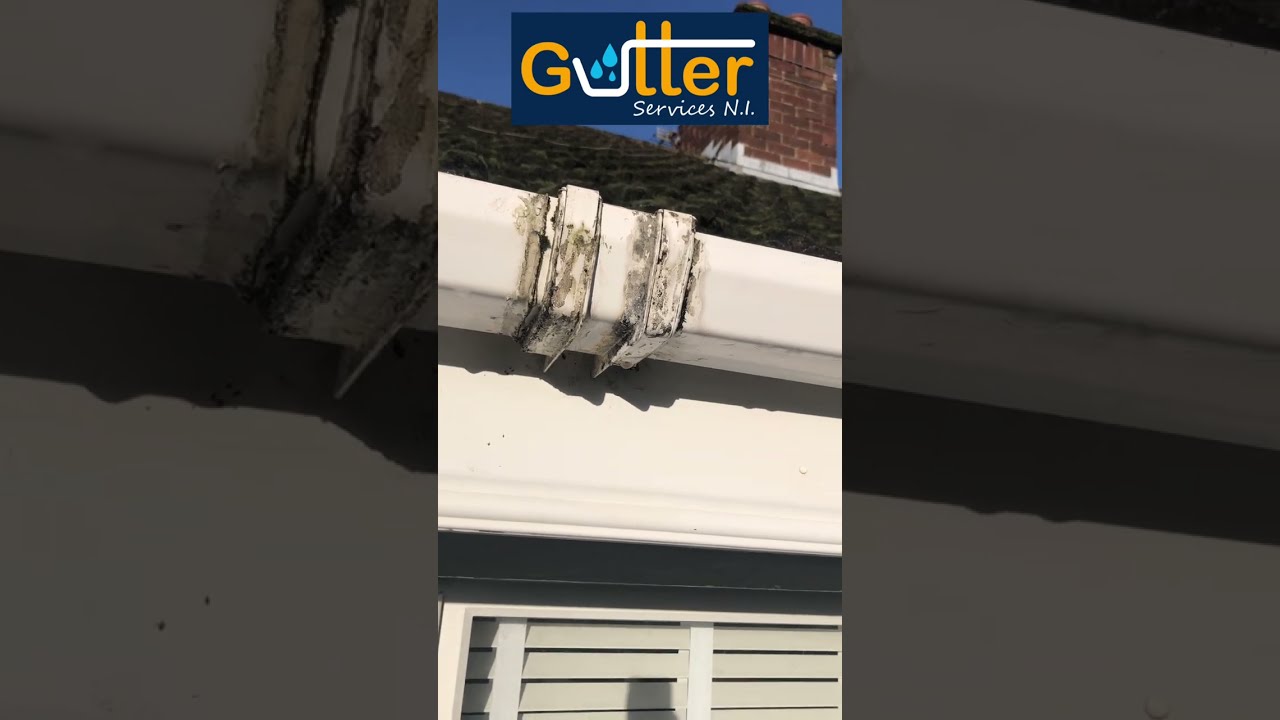
Blocked or damaged gutters are one of the most common causes of water damage. The inspector will check for leaf build-up, rust, sagging sections, poor fall, and leaking joins. In Perth, pine needles, gum leaves, and fine sand can accumulate quickly, so regular clearing is important.
4. Roof Cavity Inspection
A thorough inspection does not stop at the roof surface. The inspector will often go into the roof cavity (ceiling space) to look for signs of problems that cannot be seen from outside. They look for:
- Water stains or damp patches on timber and insulation
- Daylight showing through the roof covering
- Rusted or loose battens, fasteners, and brackets
- Condensation or poor ventilation
- Termite activity or timber damage
- Damaged or displaced insulation
- Sarking or underlay condition
This step is particularly valuable for older Fremantle homes, where original timber roof framing may have been exposed to decades of moisture and temperature swings.
Special Considerations for Older and Coastal Homes
Properties close to the coast face accelerated corrosion from salt spray. Inspectors will pay extra attention to fasteners, flashings, and the underside of metal sheets where salt can accumulate and is not washed away by rain.
If your home was built before the late 1980s, there may be asbestos-containing materials in the roofing, eaves, or gutters. A responsible inspector will not disturb suspected asbestos materials. Instead, they will note it and recommend testing and removal or management by licensed professionals, in line with Western Australian regulations. If you own a heritage-listed property or one in a heritage area of Fremantle, mention it upfront, as repairs may need to use like-for-like materials or meet local council requirements.
Tools and Technology Used in 2026
Modern roof inspections increasingly use technology to improve accuracy and safety. Common tools include:
- High-resolution cameras and drones for detailed imagery
- Moisture meters to detect hidden dampness in ceilings and timber
- Thermal imaging cameras to identify temperature differences that may indicate moisture or insulation gaps
- Digital reporting software that organises photos, notes, and recommendations
These tools do not replace a trained eye, but they help the inspector document issues clearly and spot problems that might otherwise be missed.
The Inspection Report
After the inspection, you should receive a clear written report, usually within a day or two. A good report includes:
- Photos of problem areas, with locations noted
- A description of the roof type, age, and overall condition
- A prioritised list of issues, separating urgent repairs from routine maintenance
- Recommended repair methods and approximate timeframes
- An estimate of the remaining service life of the roof, where possible
Do not hesitate to ask the inspector to walk you through the findings. A trustworthy professional will explain the issues in plain language and will not pressure you into immediate work.
How Long Does an Inspection Take and What Does It Cost?
Most residential roof inspections take between 30 minutes and two hours, depending on the size, pitch, and complexity of the roof, and whether a roof cavity inspection is included. Costs vary across Perth depending on the provider and the scope of work. Basic visual inspections are generally more affordable, while detailed reports with drone imagery, thermal scanning, or cavity assessments cost more. Always ask what is included before booking, and request a quote in writing.
Questions to Ask Your Roof Inspector
Asking a few simple questions can help you choose a reliable professional:
- Are you licensed and insured, and can you provide proof?
- Do you inspect both the roof surface and the roof cavity?
- Will I receive a written report with photos?
- Do you also carry out repairs, and is the inspection independent of any repair quote?
- Do you have experience with my type of roof and with coastal or heritage properties?
When to Book an Inspection Sooner
Do not wait for your regular schedule if you notice any of the following: ceiling stains or bubbling paint, water dripping during rain, visible cracked or missing tiles, rust spots on metal roofing, sagging roof sections, or increased energy bills that suggest insulation or ventilation issues. It is also wise to book an inspection after severe storms, before buying or selling a property, and before installing solar panels.
After the Inspection: Next Steps
Once https://charlieprxt640.lumenforgex.com/posts/how-roof-insulation-keeps-your-fremantle-property-cool you have your report, tackle urgent repairs first, such as leaks, broken tiles, or failed flashings. Then plan for medium-term maintenance, like re-bedding and repointing ridge caps, repainting or recoating metal roofs, or replacing worn gutters. Getting more than one quote for significant repairs is sensible, and keeping your inspection reports on file helps with insurance claims and future property sales.

Final Thoughts
A professional roof inspection is a practical, low-cost way to protect one of your home's most important features. Understanding what to expect, from the exterior assessment and roof cavity checks through to the written report, helps you get real value from the process. For Fremantle and wider Perth homeowners, where sun, salt, wind, and storms all take their toll, regular inspections are a smart habit that can save thousands in repairs over the life of your roof.
Fremantle Roof Restoration & Repair
WA, 6160
(08) 9515 3082